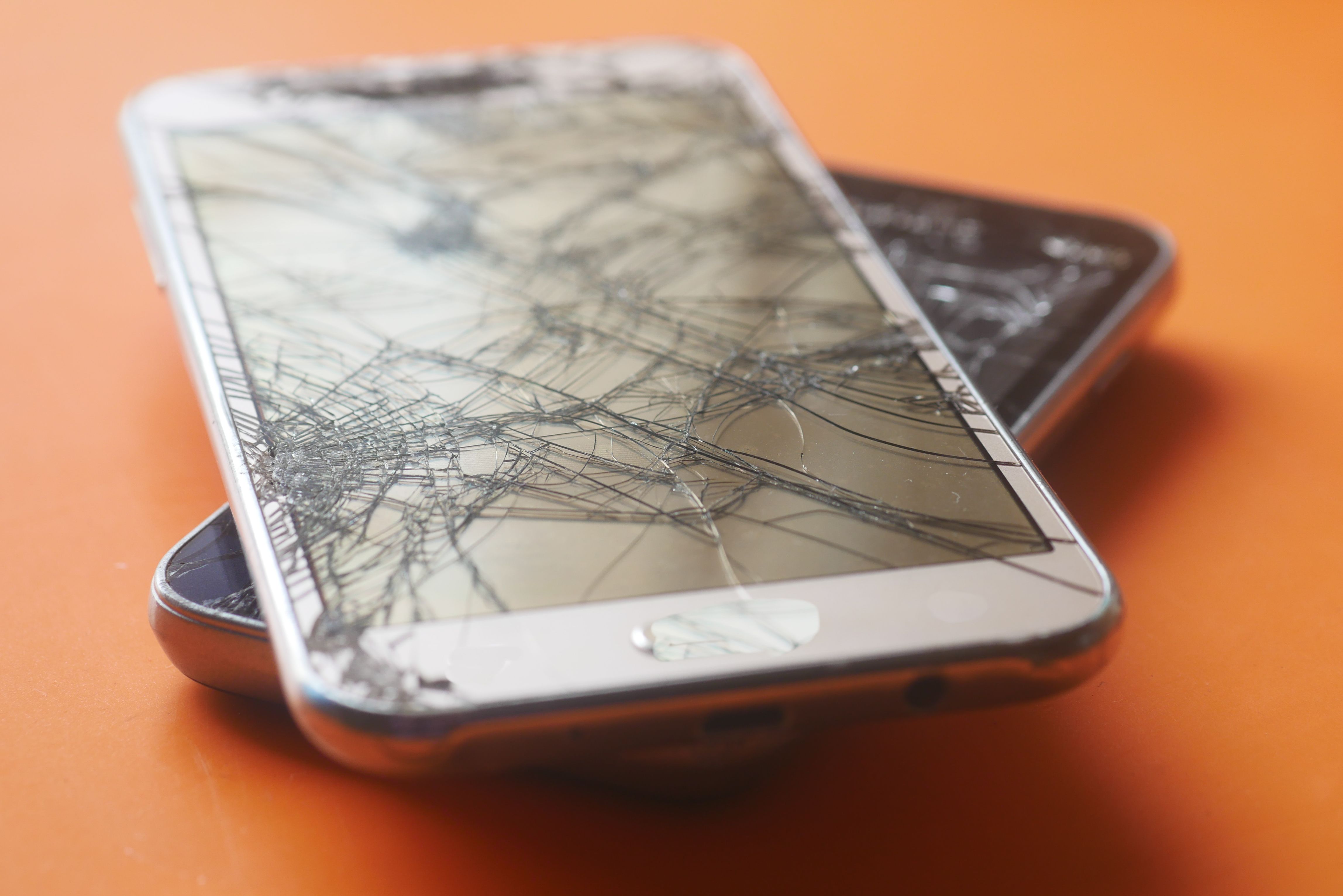
Gadget insurance is one of those add-ons that's easy to sign up for at the checkout and never think about again — sometimes worth every penny, sometimes a slow drain on money you'd have been better off keeping. Whether it's genuinely worth it comes down to your specific device, what you're already covered for, and how you'd actually feel about replacing your phone tomorrow if it landed screen-first on a pavement. Here's an honest look at both sides.
The honest answer: it depends on three things
There's no universal yes or no. Whether gadget insurance is worth it for you hinges on three questions: how much your device is worth, what cover you already have, and how comfortably you could absorb the cost of a repair or replacement out of your own pocket. Work through those and the decision usually makes itself.
When gadget insurance genuinely makes sense
Insurance earns its place in a few clear situations:
- Your device is expensive and recent. A current flagship — a new iPhone Pro, a Galaxy S Ultra, a high-end foldable — can cost well over £1,000 to replace, and a screen repair alone can run into the hundreds. If losing it would mean an unplanned four-figure outlay, paying a few pounds a month to cap that risk is reasonable. It helps to know how much value a new device is actually carrying, which our iPhone depreciation guide lays out month by month.
- You're hard on your phone, or your life is. Regular travel, a physical job, young children, cycling everywhere — some circumstances genuinely raise the odds of a drop, a soaking or a theft.
- You couldn't easily replace it. If an unexpected repair bill would actually hurt your finances, insurance is doing exactly what it's for: turning a rare large cost into a small, predictable one.
When you probably don't need it
Just as often, gadget insurance is poor value:
- The device isn't worth much. On an older or mid-range phone, a year of premiums plus the claim excess can add up to close to — or more than — the cost of simply replacing it, or picking up a refurbished replacement. At that point you're insuring against a cost you could comfortably absorb yourself.
- You rarely damage your devices. If you've owned phones for years without a cracked screen, you may be paying steadily to protect against something that, for you, almost never happens.
- The phone is already old and cheap to replace. If it does break beyond use, you can still recoup something — whether it's a cracked screen or a fully broken handset, both have a resale value that offsets a replacement — and a refurbished model often costs less than a couple of years of premiums would have.
Check what you're already covered for
Before paying for a standalone policy, look at your home contents insurance. Many policies cover your phone — but often only while it's inside your home, and frequently not for accidental damage or loss when you're out and about unless you've added "personal possessions" or "away from home" cover. Two things to check: the single-item limit (an expensive phone may exceed it) and whether accidental damage is included at all. Bear in mind too that claiming on home contents for a cracked screen can push up your premium at renewal, and may carry a higher excess than a dedicated gadget policy would. The goal is simply to avoid paying twice for cover you might already partly have.
Warranty and insurance are not the same thing
A common and costly misunderstanding: people assume the manufacturer warranty that came with their phone means they don't need insurance. It doesn't. A warranty covers faults and manufacturing defects — a battery that fails prematurely, a component that stops working through no fault of your own. It specifically excludes accidental damage: drop your phone and crack the screen, and the warranty won't help you. If you bought refurbished, the cover works differently again — our guide to what "refurbished" actually means and the one on your return rights under UK law explain what a seller warranty does and doesn't include. Insurance and warranty cover different risks — having one doesn't remove the case for the other.
The excess: the number people forget to check
Every gadget policy carries an excess — the amount you pay towards each claim. It's the single most overlooked figure when comparing insurance, and it changes the maths completely. A low monthly premium paired with a high excess can mean that, for a minor repair, you'd pay almost as much out of pocket as if you'd had no insurance at all. When you get a quote, always check the excess alongside the monthly price, and picture a realistic claim — a cracked screen, say — to see what you'd genuinely pay from start to finish.
How GadgetRank fits in
We've added gadget insurance as a comparison category, and we want to be straight about where it currently stands: right now we partner with a single provider, Bimpy — this isn't yet a multi-provider comparison the way our recycling and SIM pages are. We plan to add more insurers over time so you can compare properly across the market; until then, treat our insurance page as one honestly-disclosed option rather than a whole-of-market view.
For context, Bimpy has been insuring phones and tablets since 2011. Its Essential Cover starts from around £4 a month and includes theft, accidental damage, liquid damage, unauthorised use up to £1,000, and worldwide use for up to 90 days a year; Full Cover adds protection against loss on top. Cover starts instantly, extends to immediate family members while they're using the device, and applies to both new and refurbished phones up to 36 months old — so a refurbished phone bought through GadgetRank is generally eligible. As with any policy, check the excess and read exactly what's covered before deciding it's right for you.
Working out if it's worth it for you
Put a rough number on it. Estimate the annual premium plus the excess you'd pay on a realistic claim, then weigh that against your device's current replacement cost and how likely you honestly are to claim. Not sure what your phone is worth today? Our guide to how much your iPhone is worth helps you put a figure on it. If you decide the cover isn't worth it and you'd rather put the money towards an upgrade instead, you can compare refurbished iPhones or sell your current phone to fund the change. Insurance is worth it when it protects against a loss you genuinely couldn't absorb — and not much use when it quietly costs you more than the risk it's covering.
Compare gadget insurance cover and get a quote →
Frequently asked questions
Want to protect your device?
Compare insurance now →