Buying refurbished has moved from a niche budget option to a genuinely mainstream way to get premium tech for meaningfully less money. This guide covers everything worth knowing before you buy — how grading works, what actually affects pricing, and how to tell a reputable refurbished retailer from a risky one.
What "refurbished" actually means
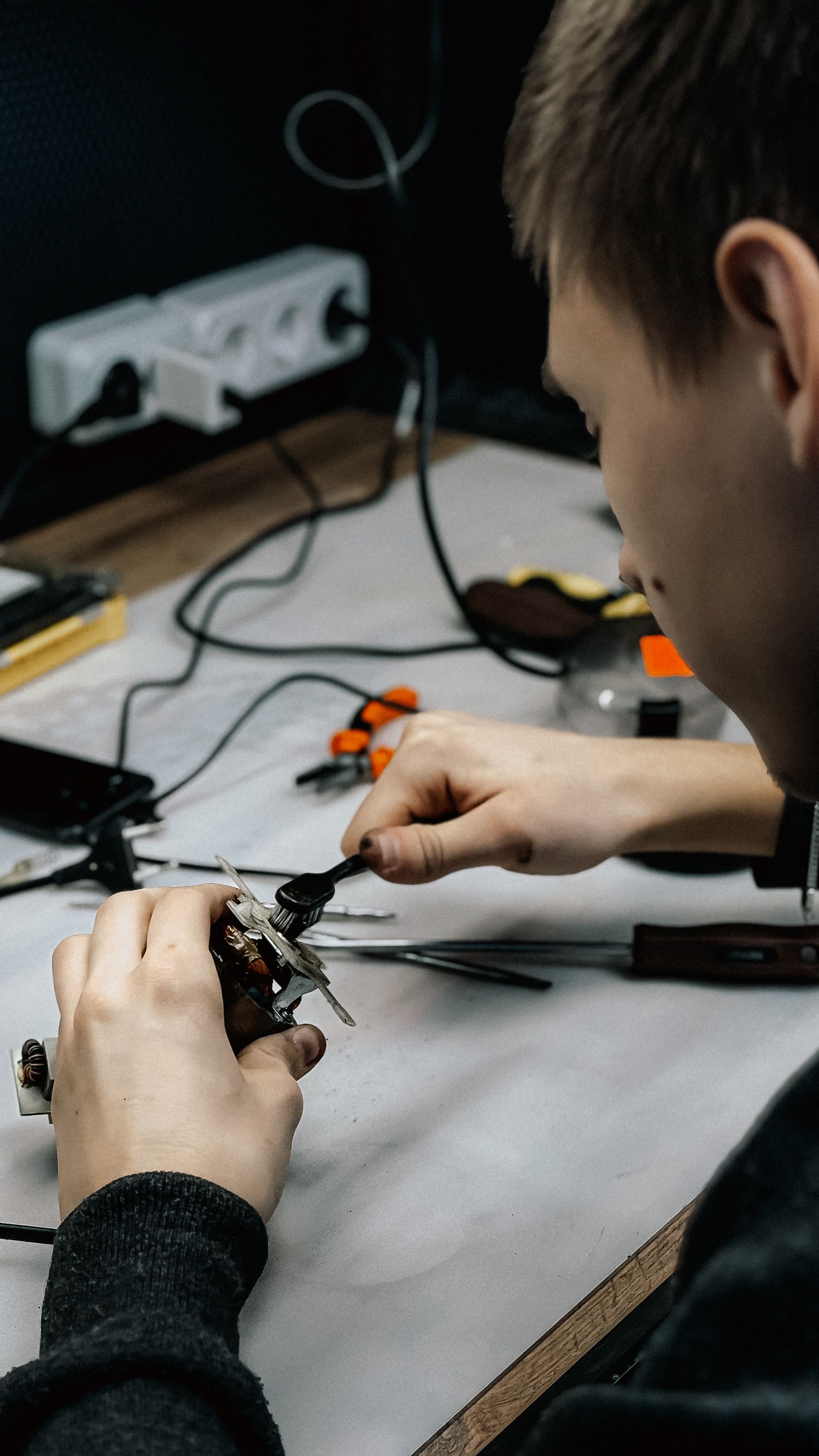
A refurbished device is one that's been previously owned, returned, or traded in, then inspected, tested, and where necessary repaired before being resold. This is different from a device simply described as "used" or "secondhand," which may not have gone through any formal testing or repair process at all. Reputable refurbished retailers test core functionality — screen, battery, cameras, buttons, connectivity — before a device is graded and listed for sale.
Understanding condition grades
Most refurbished retailers, including GadgetRank's verified sellers, use a tiered grading system to describe cosmetic and functional condition:
- Premium / Excellent — minimal to no visible signs of previous use, functions fully, often close to "like new" in appearance.
- Good — light cosmetic wear, such as small scratches or marks, with full functionality.
- Fair — more noticeable cosmetic wear, still fully functional, priced accordingly.
Grading terminology varies slightly between retailers — some use lettered grades (A/B/C), others use named tiers — but the underlying principle is the same: cosmetic condition is separated from functionality, since a phone can look worn but work perfectly, or vice versa. Our full grading guide breaks down exactly what each tier means in practice, including how different retailers' grading systems map onto each other.
Why refurbished is cheaper — and what you're actually saving on
The price difference between new and refurbished mostly reflects the fact that a refurbished device is, by definition, not new — it's had at least one previous owner, and its resale value reflects typical depreciation for that model and age. You are not usually sacrificing core performance, camera quality, or software support by buying refurbished, provided the model is recent enough to still receive updates. What you're saving on is largely the "new in box" premium, not core functionality.
What to check before buying any refurbished device
Battery health — this affects daily usability more than almost anything else for phones and laptops. Look for a stated battery health percentage where available, and be cautious of listings that don't mention it at all.
Storage capacity — buy for how you'll actually use the device, not the cheapest available tier. Retrofitting more storage isn't possible on most phones and tablets.
Network compatibility — if buying SIM-free, confirm the listing explicitly states unlocked status, particularly for devices that may have originated on a specific carrier.
What's included — charger, cable, and original box aren't guaranteed with every refurbished listing. Check before assuming you won't need to buy accessories separately.
Warranty length — refurbished devices typically carry a shorter warranty than new ones (commonly 6-12 months rather than a full manufacturer warranty), which is worth factoring into your decision, particularly for a device you plan to keep long-term.
How to spot a reputable refurbished retailer
A few signals separate trustworthy sellers from riskier ones:
- A specific, consistent grading system clearly explained before you buy, not vague terms like "good condition" with no further detail.
- Genuine customer reviews on an independent platform like Trustpilot, not just testimonials hosted on the retailer's own site.
- Clear statutory return rights honoured — a retailer that tries to imply reduced rights on refurbished stock, or claims "repair only, no refund," is not applying UK consumer law correctly. Our guide to UK return policy law covers exactly what you're legally entitled to regardless of what a seller's own policy states.
- A real returns and warranty process, not just a policy page with no practical mechanism behind it.
Refurbished across different device categories
Phones — the most mature refurbished market, with the widest selection of grades, storage tiers, and price points. Browse by brand: Apple iPhone, Samsung Galaxy S-range, and Google Pixel all have deep refurbished stock across multiple generations.
Tablets — a strong refurbished category, particularly for iPads, where hardware tends to remain capable for longer relative to phones due to lighter typical daily use. Browse refurbished tablets here.
Laptops — refurbished laptops, particularly older Intel-based MacBooks, can offer significant savings for general use, though it's worth checking whether a specific model still receives current software updates before committing to one for long-term use. Browse refurbished MacBooks here.
Smartwatches — a smaller but growing refurbished category; battery health matters even more here than for phones, given smaller battery capacities to begin with. Browse refurbished smartwatches here.
Games consoles — refurbished consoles, particularly previous-generation hardware around a new console launch, can offer strong value if you're not fussed about owning the newest model. Browse refurbished consoles here.
Comparing refurbished prices across grades — a worked example
To make the grading system concrete: a given phone model might typically be priced roughly as follows across tiers — Premium or Excellent grade commanding the highest refurbished price, Good grade sitting in the middle, and Fair grade offering the lowest entry point for the same core hardware and performance. The functional experience — speed, camera quality, software support — is identical across all three grades for the same model and storage; only cosmetic condition and, often, battery health differ meaningfully between tiers. This is why grade selection should come down to how much cosmetic condition and battery longevity matter to you personally, rather than assuming a higher grade is always the objectively "better" choice.
Frequently overlooked questions before buying
Does the SIM tray or specific carrier matter? If buying SIM-free, confirm the listing explicitly states the device is unlocked. A device previously used on a specific carrier isn't necessarily locked to it, but it's worth confirming rather than assuming.
Will accessories work with a refurbished device the same as new? Yes — cases, chargers, and other accessories designed for a given model work identically regardless of whether the specific unit is new or refurbished, since the physical design doesn't change between refurbished and new stock of the same model.
Does refurbished stock get discounted around new model launches? Often, yes. Refurbished pricing on older generations frequently softens in the weeks following a new flagship launch, as trade-in volume increases and retailers adjust pricing to move existing refurbished stock.
Refurbished vs new vs buying secondhand privately
Refurbished sits between buying new and buying secondhand from a private individual. Compared to new, you save money in exchange for accepting that the device isn't pristine. Compared to a private secondhand purchase, you typically pay a bit more, but gain formal testing, a stated condition grade, and — crucially — statutory consumer rights that don't automatically apply to a private sale in the same way. For most buyers, this makes verified refurbished retailers the more sensible middle ground rather than either extreme.
When refurbished isn't the right choice
Refurbished makes less sense if you specifically want the newest available model — since refurbished stock only exists once a device has been through at least one ownership cycle — or if you have very specific cosmetic requirements that only a brand-new, sealed unit can guarantee. For most other situations, particularly anyone upgrading from an older device or buying a second device for a specific use case, refurbished represents strong genuine value rather than a compromise.
A simple framework for deciding
If you're still weighing up whether refurbished is right for you, a few quick questions help: Do you need the absolute newest model, or just a capable, current-generation device? Does cosmetic condition matter to you, or only functionality? Is this a device you'll keep for years, or a shorter-term purchase where a shorter warranty matters less? Answering these honestly points most people toward refurbished as the sensible choice for the majority of everyday tech needs, reserving new purchases for situations where the newest features or pristine cosmetic condition are genuinely important to you.
Trading in your old device as part of the process
If you're upgrading rather than buying a first device, your current phone, tablet, or laptop likely still has resale value worth checking before you commit to a refurbished purchase. Get a live trade-in price here — the proceeds can meaningfully offset the cost of your refurbished upgrade, and trade-in values are generally highest in the weeks immediately following a new model's launch, before the wider market catches up.
Protecting your refurbished purchase
Once your statutory return rights and any seller warranty period have passed, gadget insurance is worth considering for ongoing protection against accidental damage — drops, cracked screens, liquid damage — which sits outside what either your legal rights or a standard warranty would cover.
The bottom line
Buying refurbished, from a properly verified retailer with clear grading and honoured statutory rights, is a genuinely sound way to get capable tech for meaningfully less money. The key is choosing the right condition grade for your actual use case, checking battery health and storage before you buy, and buying from a seller whose grading and returns process you can verify rather than just take on trust. Browse our current refurbished range across phones, tablets, and laptops to see live pricing and grading across our verified sellers.
Frequently asked questions
Ready to find your next device?
Compare refurbished deals now →