What an iPhone 16 is actually worth
The iPhone 16 range launched in September 2024, which means prices have long since passed the steep early depreciation and settled into a slower, more predictable decline.
What has not settled is how much recyclers differ. The same phone, same storage, same condition, will fetch meaningfully different offers depending where you sell it, and the gap is wider than most people expect.
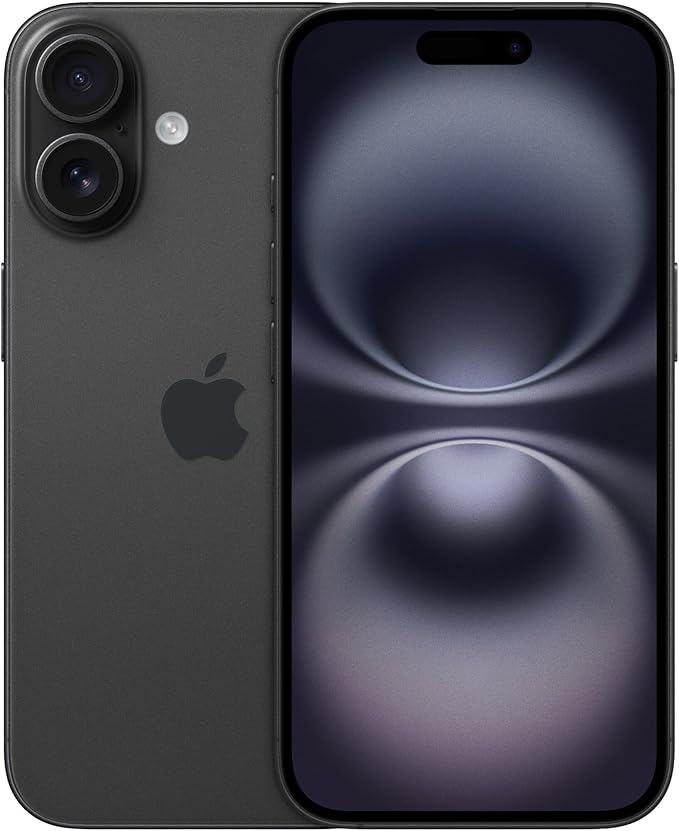
Compare live iPhone 16 prices across recyclers rather than relying on any single quoted figure, including anything you read here.
The range sells at very different levels
iPhone 16. The volume model. Widely wanted by recyclers, which keeps offers competitive and reasonably consistent between them.
iPhone 16 Plus. Worth noting specifically, because Apple discontinued the Plus in the following generation and replaced it with the Air. That makes the 16 Plus the most recent large-screen non-Pro iPhone Apple made, and there is genuine second-hand demand from people who want that combination and cannot buy it new any more.
iPhone 16 Pro and Pro Max. Substantially higher offers and a wider spread between recyclers. Because the absolute values are larger, the same percentage difference is more money, so comparison matters more here than anywhere else in the range.
We cover the Pro models separately in our guide to selling an iPhone 16 Pro, since both the figures and the advice differ.
Storage is where people lose money
Apple sold the iPhone 16 range across several storage tiers, and the premium for higher capacity is real, particularly on Pro models.
The common error is comparing your phone against a headline "from" price. That figure almost always reflects the base configuration, so if you have a 512GB or 1TB device, it understates what you should be getting.
Check the price for your exact storage before accepting anything. It takes seconds and it is the easiest money to leave behind.
What actually affects your offer
Condition grade does most of the work. Recyclers weight screen condition heaviest, because screen replacement is the expensive repair. Back-glass damage costs you less than you might expect; a cracked screen costs more.
Battery health is the factor most people forget to check. Most UK recyclers use 80 per cent as their threshold for top-grade condition. Below that you drop a grade even if the phone is cosmetically immaculate. Check yours in Settings before requesting quotes, so the grade you select matches what they will find.
Our guide to checking battery health before selling covers exactly where to look.
Network lock status. Unlocked phones reach a wider pool of buyers and are worth more.
Accessories. Some recyclers offer a modest premium for the original box; most do not penalise you for selling the device alone. Worth checking the specific terms.
Timing: the September effect
Apple announces new iPhones in September, and prices for existing models drop noticeably in the weeks around that announcement. This happens every year and it is predictable enough to plan around.
If you intend to sell at some point in the next year, doing it before the announcement rather than after is one of the few genuinely reliable ways to get more for the phone. Waiting almost never helps.
Our guide on whether to sell before the iPhone 18 launch goes into the timing in more detail, and the iPhone depreciation curve shows how value typically falls month by month.
Before you send it
These steps protect your offer. Getting them wrong is the most common reason a quote gets revised or a sale falls through.
Back up first. Once you erase the device, anything not backed up is gone. iCloud or a computer backup both work.
Sign out of iCloud. Settings → your name → Sign Out. This is what disables Activation Lock. A device arriving still signed in gets rejected or revalued to zero, and resolving it afterwards requires the original owner, which is slow and occasionally impossible.
Erase the device. Settings → General → Transfer or Reset iPhone → Erase All Content and Settings.
Remove the SIM before sending.
Photograph front and back clearly before packaging. If there is any dispute about condition on arrival, dated photographs are your only evidence.
Our full guide to selling your phone safely covers the complete checklist including the correct order to do everything.
Grade honestly, not optimistically
It is tempting to pick the most flattering condition option. It rarely pays off.
Recyclers inspect on arrival and regrade anything that does not match the description. The result is a revised offer, which you can normally reject with a free return, but you have lost a week and gained nothing.
An accurate description gets you a quote that actually holds, which is worth more than a higher quote that does not survive inspection.
Trade-in versus recycler
Apple's own trade-in and network upgrade schemes are convenient, and there is real value in that convenience if you are upgrading anyway.
They are also frequently below what independent recyclers pay. The gap on a current-generation iPhone in good condition is often large enough to change the maths on whether an upgrade makes sense at all.
Getting a recycler quote costs nothing and takes two minutes. Compare iPhone 16 prices before accepting whatever appears at checkout.
The short version
Compare before selling, check the price for your actual storage tier, check battery health before choosing a grade, sign out of iCloud properly, and sell before the September announcement rather than after it.
If you are upgrading, get an independent quote before accepting a trade-in value. That single comparison is usually worth more than everything else on this list combined.
Related guides: How much is my iPhone worth? · Best time to sell an iPhone in the UK · Sell my iPhone 16 Pro · How to sell your phone safely
Frequently asked questions
Ready to get the best price?
Compare prices now →