The one-generation upgrade question
Every September, Apple makes a case for why this year's iPhone is worth buying. Every September, the honest answer for most people holding last year's model is: probably not yet.
The iPhone 16 to iPhone 17 jump is a good illustration of why. Both phones are fully supported, both run current iOS, and the differences, while real, are the kind you notice in a spec comparison rather than in daily use.
That said, the financial picture is more interesting than the technical one, and it is usually where the actual decision gets made.
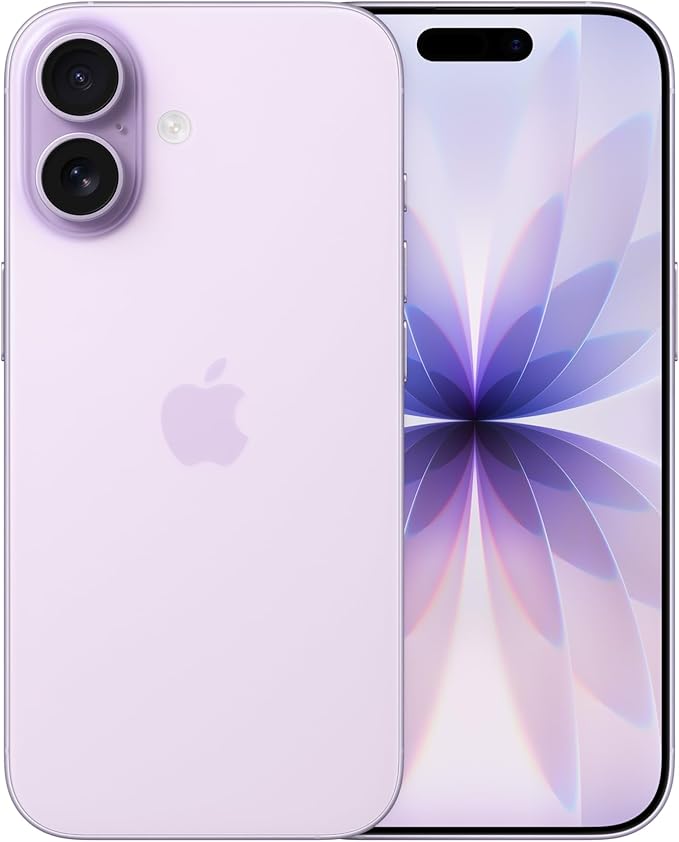
What actually changed
The iPhone 17 generation brought genuine improvements in three areas: chip efficiency, display technology, and camera processing.
These matter over time. A more efficient chip means better sustained performance and longer battery endurance under load. Display improvements affect everything you look at. Better processing shows up most in difficult lighting, where computational photography does the heavy lifting.
But none of them are the kind of change that makes an iPhone 16 feel obsolete. If your iPhone 16 does what you need today, it will continue doing it for years, and Apple's software support window has a long way left to run.
The more interesting question is what happens when you compare the lineups rather than the individual models.
The lineup shifted, and it matters
This is easy to miss and genuinely affects the decision.
The iPhone 16 range was standard, Plus, Pro and Pro Max. The iPhone 17 range replaced the Plus with the Air, which is a thinner and lighter phone rather than simply a bigger one.
That matters if you specifically wanted a large-screen non-Pro iPhone. The Plus offered a bigger display and a bigger battery at a price below the Pro Max. The Air prioritises thinness instead, and thinness costs internal volume, which means battery capacity.
If large screen plus long battery at non-Pro pricing is what you want, the iPhone 16 Plus is arguably a better fit than anything currently sold new. It is now available refurbished, which makes it worth genuine consideration rather than treating it as a compromise.
This is one of the few cases where the previous generation offers something the current one simply does not.
Storage matters more than the generation
Worth understanding before you compare prices anywhere.
The iPhone 17 Pro Max is available up to 2TB, a tier that did not exist on the 16 Pro Max. Base storage and top storage both shifted between generations, and configurations differ across the range.
When you compare a 256GB iPhone 16 Pro against a 256GB iPhone 17 Pro, you are comparing like for like. When you compare headline "from" prices, you frequently are not, because the base configurations differ.
This is one of the most common reasons people conclude an upgrade is cheaper or more expensive than it actually is. Always check the storage tier, not just the model name.
Does the upgrade maths work?
Here is the practical way to think about it.
The real cost of upgrading is not the price of the new phone. It is the price of the new phone minus what you get for the old one. That second number is where most people leave money behind.
Network trade-in offers are convenient, and convenience has value. But they are frequently well below what independent recyclers pay, and the gap between the best and worst recycler offer on a current-generation iPhone is routinely enough to change the decision entirely.
Before committing either way, check what yours is actually worth:
- Sell iPhone 16 — compare live prices
- Sell iPhone 16 Pro — compare live prices
- Sell iPhone 16 Pro Max — compare live prices
- Sell iPhone 16 Plus — compare live prices
If the gap between your trade-in value and the upgrade cost is small, the upgrade is easy to justify. If it is large, waiting a generation usually is.
Timing matters more than most people realise
Apple announces new iPhones in September. In the weeks surrounding that announcement, resale prices for existing models drop, typically by a noticeable margin and fairly quickly.
If you are planning to upgrade at some point in the next year, selling before the announcement rather than after is one of the few genuinely reliable ways to get more for your current phone. Waiting rarely helps, and the drop is predictable enough to plan around.
The corollary is also true: if you are buying refurbished, the weeks after a launch are usually the best time, because prices on the outgoing generation have just softened.
Condition matters as much as model
Two iPhone 16s in different condition grades can differ in value substantially, and the factors are not always obvious.
Battery health is the one people most often overlook when selling. Below 80 per cent, most recyclers will drop you a grade, and that is a meaningful reduction.
Screen condition is weighted heavily, more than back-glass damage, because screen replacement is the expensive repair.
iCloud lock will result in an offer being withdrawn entirely. Sign out fully before sending any device anywhere.
If you are unsure what grade your phone falls into, being honest about it is genuinely the better strategy. Recyclers reassess on arrival, and an over-optimistic grade just means a revised, lower offer and a delay.
Who should upgrade
Upgrade if you are coming from an iPhone 14 or older. Across three or more generations, the differences compound into something genuinely noticeable across battery, camera, screen and speed together, rather than any single improvement.
Do not upgrade if you have an iPhone 16 that works fine. There is no meaningful capability you are missing, and you will get better value selling it a year from now against a bigger jump than you will chasing a single generation.
Consider the iPhone 16 Plus refurbished if you want a large screen and strong battery life without Pro pricing. It is the option the current lineup no longer directly offers, and it is now at refurbished prices.
Compare refurbished iPhone stock and prices, or see what your current iPhone is worth.
The short version
The iPhone 17 is better. It is not better enough to justify upgrading from an iPhone 16 for most people, and the money is better kept until a two or three generation jump makes the difference obvious.
The exception is if the iPhone 16 Plus specifically appeals, in which case buying that refurbished now gets you something the current lineup does not sell at all.
Related reading: Should I sell my iPhone before the iPhone 18 launch? · iPhone depreciation curve: monthly value loss · Best time to sell your iPhone in the UK · How to check battery health before selling
Frequently asked questions
Ready to get the best price?
Compare prices now →