Despite sharing a generation name, the iPhone 15 Pro and iPhone 15 Plus are more different from each other than the naming suggests — this isn't just a size choice, it's a genuine tier difference in camera, chip, and build quality.
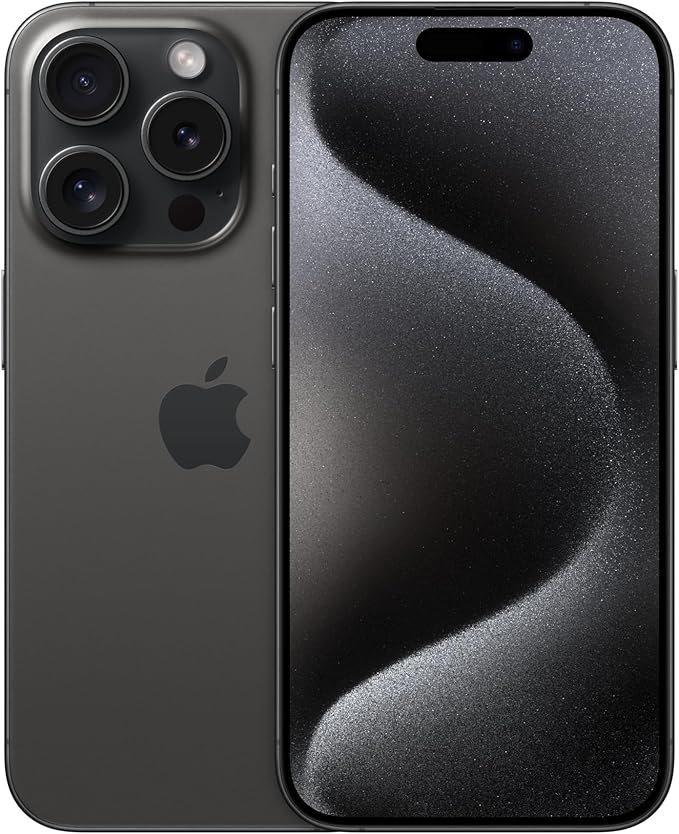
Camera system — the biggest gap
The iPhone 15 Pro has a triple-camera system including a telephoto lens with genuine optical zoom, alongside improved low-light performance and support for ProRAW and ProRes video. The 15 Plus uses a dual-camera setup — excellent for everyday photography, but without the zoom reach or the professional-grade capture formats the Pro offers.
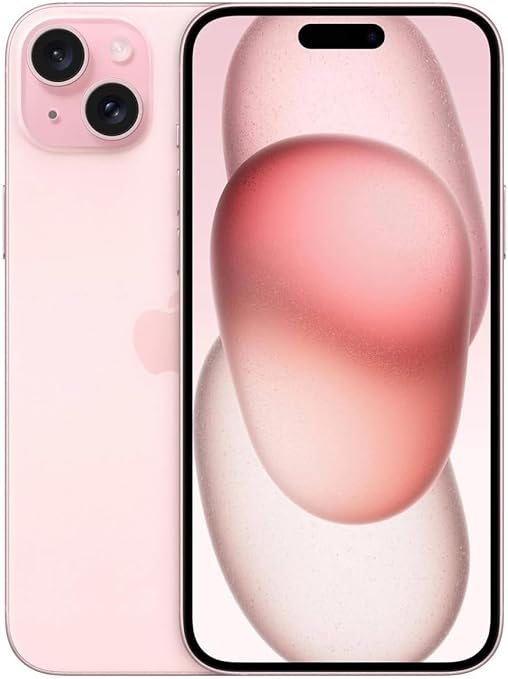
For casual photography — family photos, holidays, social media — the 15 Plus performs very well and most people won't feel short-changed. If you photograph anything at a distance regularly, or you want the flexibility of RAW editing afterward, the Pro's camera system is a genuine, noticeable upgrade rather than a marginal one.
Chip and performance
The 15 Pro runs on Apple's A17 Pro chip, a genuine generation ahead of the 15 Plus's A16 Bionic. In everyday use — messaging, browsing, social media — the difference is barely noticeable. Under sustained heavy load — intensive gaming, 4K video editing on-device, or running several demanding apps simultaneously — the A17 Pro's extra headroom becomes apparent, and it will handle these tasks more smoothly and for longer before thermal throttling kicks in.
Build quality and design
The 15 Pro uses a titanium frame, lighter for its size and more resistant to scratches than the 15 Plus's aluminium build. The Pro also includes the customisable Action Button, replacing the traditional mute switch with a button you can assign to different functions — a small but genuinely useful hardware difference the Plus doesn't have.
Battery life
This is one area where the larger, less power-efficient 15 Plus actually has a real edge — its bigger physical size houses a larger battery, and despite the Pro's more efficient chip, the Plus generally delivers longer screen-on time across a typical day. If all-day battery life without needing a top-up is your top priority, this is worth weighing against the Pro's other advantages.
Screen size
Both phones have similarly large displays, so screen size itself isn't a major differentiator here the way it might be between a standard and Plus/Max model — the real differences are in camera, chip, and build rather than how much screen you're looking at.
Price and refurbished value
The Pro commanded a meaningful premium over the Plus at launch, and this gap generally persists in the refurbished market, since the underlying hardware differences (camera system, chip generation, titanium build) are permanent and don't disappear with age. If you're deciding between a refurbished 15 Pro and 15 Plus at similar-ish prices due to condition grade differences, it's worth checking whether the Pro's camera and performance advantages are genuinely worth the premium for how you'll actually use the phone.
Storage tiers and pricing gap
Both models were originally offered across similar storage tiers, and the price gap between Pro and Plus holds fairly consistently at each one rather than narrowing at higher storage — meaning choosing your storage need first, then deciding Pro versus Plus within that tier, is usually the more sensible way to approach this decision rather than comparing base models in isolation. It's worth actually totalling up realistic storage needs before assuming a higher tier is necessary, since photo and video habits vary considerably between users and a smaller tier than you initially assume may well be enough.
Video recording differences
Beyond photo capability, the 15 Pro's video recording supports ProRes format and offers more advanced stabilisation options, appealing to anyone shooting more seriously — content creators, family videographers who edit afterward, or anyone wanting more control over footage in post-production. The 15 Plus records excellent video for everyday sharing — quick clips, social media, family moments — but doesn't offer the same professional-format flexibility.
Accessories and case compatibility
Because the two phones are physically different sizes and the Pro has the additional Action Button, cases and screen protectors aren't interchangeable between them. If you're switching from one to the other as part of this upgrade decision, factor in the cost of new accessories rather than assuming your existing collection will carry over.
Repairability and long-term ownership costs
Screen and battery replacement costs tend to run slightly higher on the Pro model, reflecting its more complex camera housing and titanium frame construction. If you're planning to keep whichever phone you choose for several years, it's worth factoring typical repair costs into your overall decision, not just the upfront purchase price.
Performance for gaming specifically
If mobile gaming is a genuine priority, the A17 Pro's additional performance headroom and hardware-accelerated ray tracing support give the 15 Pro a real edge for the most demanding titles, maintaining smoother frame rates for longer sessions compared to the 15 Plus's A16 chip. For casual or moderate gaming, both phones handle the vast majority of titles comfortably, and this difference will only be noticeable in genuinely demanding, graphically intensive games.
Who should choose which
If you're a keen photographer, someone who games seriously on mobile, or you want the titanium build and Action Button specifically, the Pro is the one that will feel genuinely different in daily use — not just cosmetically newer. If your priorities are messaging, everyday photography, and maximising battery life across a full day, the Plus delivers essentially the same core experience for meaningfully less, and for most people, the difference will be far less noticeable day to day than the price gap suggests.
A closer look at what "Pro" actually buys you
It's worth being specific about what the Pro premium is genuinely paying for, since "Pro" branding can sometimes overstate the practical difference. Here, the gap is real: sensor size and telephoto reach on the camera, a full chip generation of headroom, a physically more durable frame material, and a customisable hardware button. None of these are marketing dressing — each one has a concrete, noticeable effect in specific use cases, even if none of them matter much for pure messaging-and-browsing use.
Trading in your current phone toward either option
Whichever model you choose, if you're upgrading from an older device, check your current phone's trade-in value here before you buy — the proceeds can meaningfully offset the cost difference between the two models, and checking sooner rather than later matters since trade-in values decline gradually rather than staying flat as time passes and newer alternatives keep launching.
Skipping two generations — what you're actually gaining
If you're coming from an iPhone 13 or earlier, either the 15 Pro or 15 Plus will feel like a substantial upgrade — faster performance, better cameras, and improved battery efficiency compared to older chips. Our full comparison of the iPhone 13 Pro and Pro Max is worth a look if you're currently on that generation and deciding whether to sell now or wait, since trade-in values move fastest in the months immediately after a newer release.
Should you consider the newer iPhone 16 or 17 line instead?
If your budget stretches further, it's worth comparing against newer generations before committing to either 15 model. Our comparison of the iPhone 17 Pro Max and standard iPhone 17 covers the same Pro-versus-standard tradeoff one generation on, if you want to see how the gap has evolved.
Buying refurbished
Both models are now widely available refurbished at a meaningful discount to their original launch prices. Compare current refurbished iPhone pricing here across grades and storage tiers. If you're new to buying refurbished, our grading guide explains exactly what each condition tier means before you commit.
What to do with your current phone
If you're upgrading from an older iPhone, check what it's actually worth before you buy. Get a live trade-in price here — proceeds can meaningfully offset the cost of whichever model you choose, and trade-in values tend to decline gradually over time rather than improve, so there's rarely an advantage to waiting.
Protecting your upgrade
Given the price difference between these two models largely reflects genuine hardware differences that matter for resale value too, gadget insurance is worth considering for either one, particularly the Pro given its higher replacement cost if something goes wrong.
The bottom line
Choose the iPhone 15 Pro if camera zoom range, faster sustained performance, and the titanium build genuinely matter to how you use your phone day to day. Choose the 15 Plus if your priorities are messaging, everyday photography, and all-day battery life, and you'd rather save the price difference. The gap between them is real, not just cosmetic — make sure you're paying for capability you'll actually use rather than the Pro name alone. Whichever direction you lean, compare current refurbished pricing across both models before committing, since grading and stock shift regularly enough that the actual price gap on any given day may differ from what either model cost at launch.
Frequently asked questions
Ready to get the best price?
Compare prices now →