The usual assumption about storage tiers is that they scale predictably: pay more up front for a 1TB iPhone, get more back when you sell it. Right now, on the iPhone 15 Pro Max, that assumption is wrong by a wide margin — and the reason why is worth understanding before you make a decision either way.
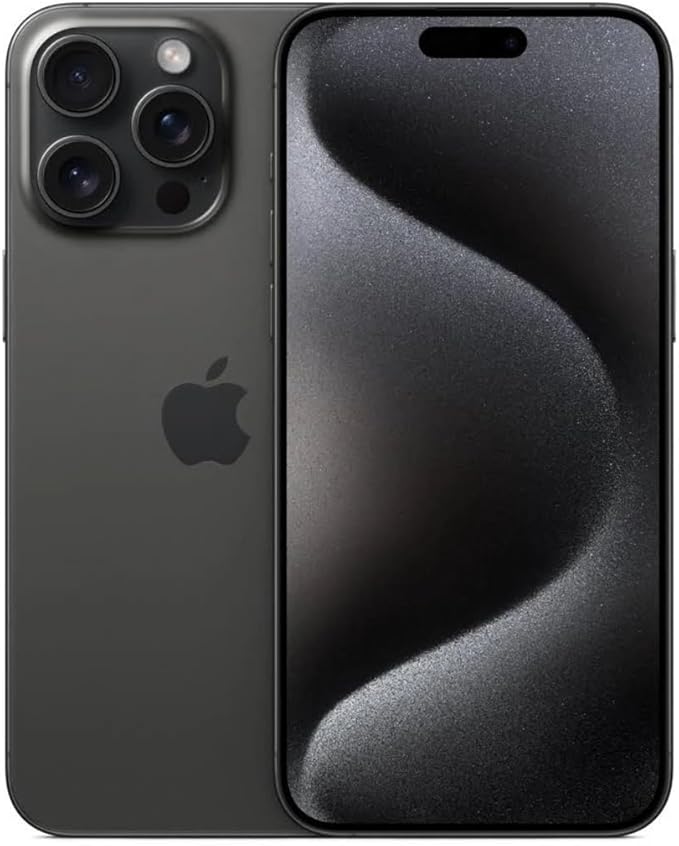
Where the two variants stand today
As of 23 July 2026, the best trade-in prices we're tracking for the iPhone 15 Pro Max are:
- 512GB — around £540
- 1TB — around £560
That's a £20 gap. On a phone where the 1TB model cost roughly £200 more than the 512GB at retail, you are currently recovering about a tenth of that premium.
If you'd asked the same question two days ago, you'd have got a completely different answer.
The part most comparisons won't tell you
The 1TB iPhone 15 Pro Max sat at £770 — flat, unmoved, every single day we tracked it — from 6 July 2026 through to 21 July 2026. On 22 July it dropped to £560.
That's a £210 fall, overnight, after two weeks of complete stability.
Over the same fortnight, the 512GB variant didn't move at all. It was £540 on 6 July and it was still £540 on 22 July.
So the gap between the two storage tiers went from £230 to £20 in a single day, and nothing about the phones themselves changed. This is the honest answer to "is the extra storage worth it for resale": it depends enormously on the week you happen to ask.
What actually causes a drop like that
A £210 overnight move on one storage variant, with the other untouched, is not general market depreciation. Depreciation is gradual, and it affects all variants of a model together. Our guide to the iPhone depreciation curve shows what that normal, steady decline actually looks like — and it looks nothing like this.
What a single-variant cliff usually reflects is a supply-side change at the recycler level. High-storage variants are lower-volume, so a recycler's price for them is more sensitive to their own stock position: if they suddenly have enough 1TB units, or their onward buyer's demand shifts, the price they'll offer can be cut hard and fast. Our explainer on how phone recycling prices are calculated covers the mechanics behind this in more detail.
The practical implication is the important bit: the 1TB price was not "wrong" before and "right" now. Both figures were real offers on the days they were quoted. Prices on high-storage variants are simply more volatile, and a single check on a single day tells you very little about the trend.
The full storage ladder tells the story better
It's worth putting all three variants side by side, because the shape of the ladder is more revealing than any single pairing:
- 256GB — around £460
- 512GB — around £540
- 1TB — around £560
The step from 256GB to 512GB is worth about £80. The step from 512GB to 1TB is worth about £20.
That's the part that should inform a buying decision. Doubling from 256GB to 512GB returns four times as much at trade-in as doubling again from 512GB to 1TB, even though the retail premium for each jump was broadly similar. There's a clear point of diminishing returns on this model, and it sits at 512GB.
It's also a reminder that the 1TB tier is the thinnest part of the market. Fewer were sold, fewer recyclers want them, and — as the past fortnight showed — the price can move violently when demand shifts even slightly.
So is the extra storage worth it?
Split the question in two, because the answer differs depending on which one you're actually asking.
If you already own the 1TB and you're deciding whether to sell: you have, unfortunately, just missed a considerably better window. £770 was available as recently as 21 July. £560 is what's there now. Whether to sell today depends on whether you think the drop reverses — and nobody, including us, can tell you that reliably. What we can tell you is that £560 is still a strong price for a 2023 flagship, and that waiting for a recovery that may not come has its own cost, since the underlying depreciation trend continues regardless.
If you're choosing which variant to buy, with resale in mind: the current £20 differential makes a very poor case for paying a £200 storage premium up front. Even at the historical £230 gap, you'd only have been recovering slightly more than the premium — and that was the peak, not the norm.
Buy the storage you actually need for how you use the phone. Treating a storage upgrade as an investment that holds its value has never been a reliable strategy, and this fortnight is a fairly emphatic demonstration of why.
Check before you commit, in both directions
The single most useful habit here is to check the live number rather than rely on any figure quoted in an article — including the ones above, which will age.
You can see current live offers across our recycler panel on the iPhone 15 Pro Max trade-in page, and if you're buying rather than selling, the refurbished iPhone 15 Pro Max page shows what the variants currently cost to purchase.
It's worth looking at both sides. Right now the buy-side and sell-side prices on this model sit unusually close together on some variants, which changes the maths on upgrading versus keeping.
Timing matters more than storage choice
If there's one thing this fortnight illustrates, it's that when you sell an iPhone affects the outcome more than which storage tier you picked. A £210 swing on timing dwarfs any realistic difference between variants.
The September pattern is the well-documented version of this: prices soften around Apple's annual announcement. Our guides to the best time to sell an iPhone and whether to sell before the iPhone 18 launches both cover that cycle. What the 1TB drop shows is that variant-specific moves can happen outside that cycle entirely, without warning.
For a broader view of what this model is worth across conditions and storage tiers, see how much your iPhone 15 is worth and our guide to getting the best price when selling an iPhone 15.
Condition will move your number more than storage does
At a £20 storage differential, almost everything else about your specific handset matters more than whether it's 512GB or 1TB.
Battery health is the big one — it's worth checking your battery health before selling, because it can shift your grade and therefore your offer. Cosmetic condition matters too; our explainer on refurbished iPhone grading covers how recyclers translate scuffs and screen marks into grade bands, and the gap between an excellent and a good grade on this model is considerably wider than £20.
In other words: if you want to maximise what you get, spend your effort on presenting the phone accurately and in the best genuine condition, not on which storage tier you happen to own.
The bottom line
Today, the iPhone 15 Pro Max 1TB trades in at around £560 against roughly £540 for the 512GB — a £20 gap that makes the storage premium look like poor value in resale terms.
But that gap was £230 as recently as 21 July, before the 1TB price fell £210 overnight while the 512GB didn't move at all. Both numbers were real. The honest conclusion isn't "the extra storage isn't worth it" — it's that high-storage variants are volatile enough that any fixed answer has a short shelf life, and the only figure worth acting on is the one you check on the day you sell.
Compare live trade-in prices for your iPhone →
Frequently asked questions
Ready to get the best price?
Compare prices now →