Whether you're deciding whether to sell an old iPhone 13 Pro or Pro Max, or you're looking at picking one up refurbished in 2026, the decision between the two models comes down to a smaller list of differences than most people expect. Unlike some generations where the larger model gets meaningfully better cameras, the 13 Pro and 13 Pro Max are camera-identical — the real differences are elsewhere.
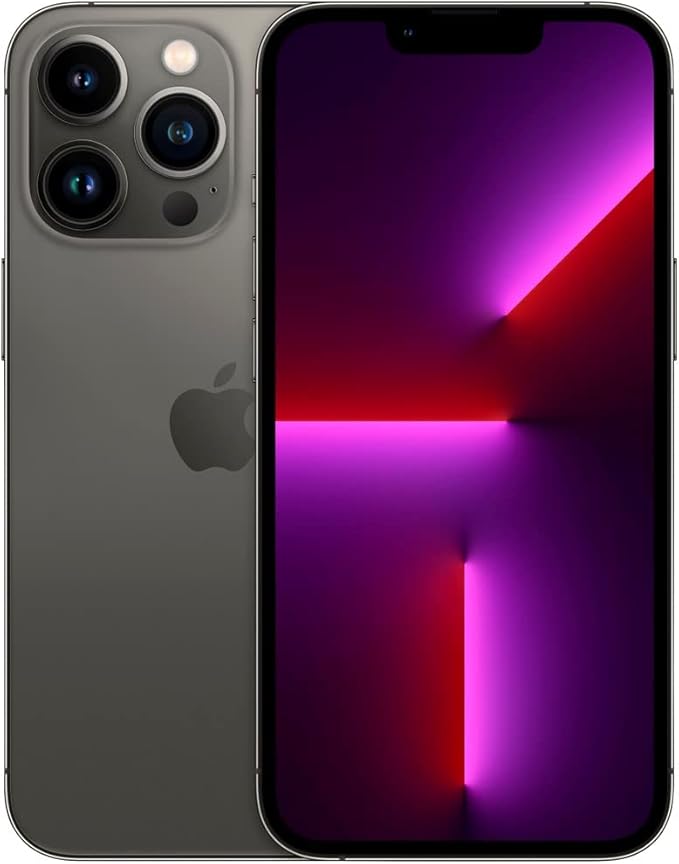
The camera systems are identical
This is the detail that surprises a lot of people: the iPhone 13 Pro and iPhone 13 Pro Max share the exact same triple-camera system — same sensors, same lenses, same macro capability, same ProRAW and ProRes video support. If you're buying specifically for photography, there is genuinely no camera-quality reason to pay more for the Pro Max. Every photo and video the Pro Max can take, the standard Pro can take identically.
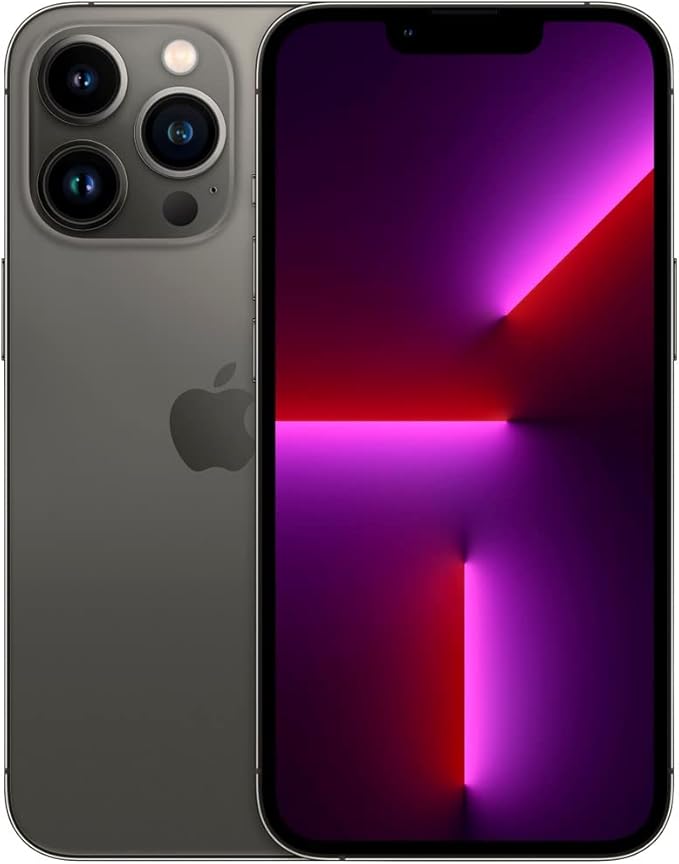
Battery life is the real difference
The Pro Max's larger body houses a significantly bigger battery, and it shows in daily use — often an extra few hours of screen-on time compared to the standard Pro. If your current phone struggles to make it through a full day, or you use your phone heavily for navigation, streaming, or gaming, this is the difference that will actually affect you day to day. The standard Pro's battery is perfectly adequate for moderate use but noticeably tighter under heavy use.
Screen size and one-handed use
The Pro Max's larger display is better for watching video, reading, and general content consumption, but makes one-handed use genuinely harder for a lot of people. The standard Pro sits in a size that most people find manageable one-handed, while still offering a meaningfully larger screen than older "regular" iPhone models. If pocket size and one-handed use matter to you, this is worth weighing against the battery difference above.
Performance is identical too
Beyond the camera, the two models share the same chip, the same RAM, and the same storage tier options. There is no performance difference between them whatsoever — a Grade A iPhone 13 Pro will run every app exactly as fast as a Grade A iPhone 13 Pro Max at the same storage capacity. This makes the decision genuinely simpler than most phone comparisons: once you've decided on battery and screen size, every other spec is identical.
Storage tiers and pricing gap
Both models were originally offered across the same storage options, and the price gap between Pro and Pro Max holds fairly consistently across every tier rather than narrowing or widening at specific storage points. This means choosing storage first, then deciding Pro vs Pro Max within that storage tier, is usually the more sensible way to approach either a purchase or a like-for-like value comparison when selling.
Accessories and case compatibility
Because the Pro Max is physically larger, cases and screen protectors aren't interchangeable between the two models. If you're switching from one to the other — say, upgrading from a standard 13 Pro to a Pro Max — budget for new accessories rather than assuming your existing case collection carries over. This is a minor point compared to battery and screen size, but it does add a small real cost difference beyond the phone price itself.
Repairability and long-term ownership
Since both models are now several years old, replacement parts — batteries, screens, cameras — are more widely available for both than they will be in another few years, but availability and repair cost are worth checking before committing to either as a long-term device rather than a short-term budget buy. Screen replacements in particular tend to cost slightly more for the Pro Max simply due to the larger panel size.
What actually moved the resale value needle
Looking at typical trade-in behaviour, the two biggest factors affecting what either model is worth today are battery health and storage capacity — not the Pro vs Pro Max choice itself. A 256GB Pro Max in Fair condition can be worth less than a 128GB standard Pro in Excellent condition, despite the Pro Max nominally being the "better" model. This is worth keeping in mind if you're deciding which of two specific phones to sell, rather than comparing the models in the abstract.
Selling an iPhone 13 Pro or Pro Max in 2026
If you're deciding whether to sell now, condition and storage matter more at this point in the phone's lifecycle than the choice between Pro and Pro Max — both models are several years old now, and trade-in values reflect that across the board. That said, the Pro Max still commands a premium over the standard Pro at matching storage and condition, purely because of the size and battery difference outlined above, not because of any camera advantage.
Get a live trade-in price for your iPhone 13 Pro or Pro Max here — pricing varies by storage, condition grade, and current recycler demand, so it's worth checking rather than assuming based on what either model sold for originally. If you want to understand how those prices actually get set rather than just seeing the final number, we explain the process here — recycler demand for a specific model and storage combination shifts week to week, which is part of why the same phone can be quoted differently even a short time apart.
Buying an iPhone 13 Pro or Pro Max refurbished in 2026
For anyone buying refurbished now, both models sit well below their original launch prices, and the choice comes down to the same battery-versus-size tradeoff as above rather than anything camera-related. Browse current refurbished iPhone pricing here to compare live stock across grades and storage options.
If you're specifically prioritising camera quality on a budget, it's worth knowing that neither model has an advantage here — so choosing based on price, storage, and condition grade makes more sense than paying extra for the Pro Max assuming you're getting a better camera, since you're not.
Grading matters as much as the model choice
At this point in both models' lifecycle, condition grade affects real-world value and experience more than the Pro vs Pro Max decision does. A Grade A iPhone 13 Pro in excellent condition will often outperform a Grade C iPhone 13 Pro Max with battery wear and cosmetic damage, both in resale value and day-to-day experience. Our grading guide breaks down exactly what each condition tier means before you commit to either buying or selling.
Battery health specifically
Because both models are now several years old, battery health is worth checking carefully whether you're buying or selling. Battery capacity degrades gradually and predictably over a phone's lifespan — a Pro Max with degraded battery health may actually perform worse day-to-day than a standard Pro with a healthy battery, despite the Pro Max's larger original capacity advantage.
Quick summary by use case
Heavy daily use, navigation, streaming, gaming: Pro Max, for the battery life alone — this is the single factor most likely to actually affect your day-to-day experience.
One-handed use, smaller pockets, lighter weight: standard Pro — the size difference is noticeable in daily handling, even if the screen real estate is the tradeoff.
Budget-conscious buyers who want the best value: standard Pro, since you get an identical camera and chip for less money, and the battery — while smaller — is still capable for moderate daily use.
Anyone deciding between two specific used units: condition grade and battery health first, model choice second. As covered above, a well-cared-for standard Pro can be a better buy than a worn Pro Max.
Is either model still a good choice in 2026?
Yes, for most everyday use. Both models continue to receive current iOS updates, run modern apps smoothly, and offer a camera system that remains genuinely capable years after launch. If you're considering an upgrade from either model, see how the newer iPhone 17 and 17 Pro Max compare to judge whether the jump is worth it for your specific use, or whether sticking with a well-priced refurbished 13 Pro or Pro Max still covers what you need.
Protecting whichever one you choose
Since both models are now sold exclusively refurbished or secondhand, gadget insurance is worth considering regardless of which one you pick — replacement parts and repairs for older iPhone generations can be harder to source affordably than for current models.
The bottom line
If camera quality is your deciding factor, it makes no difference — buy or sell based on price, storage, and condition instead. Choose the Pro Max if battery life and screen size genuinely matter to your daily use; choose the standard Pro if one-handed use and pocket size matter more, or if you'd rather save the price difference. Either way, check current refurbished pricing or trade-in value before deciding, since both shift regularly with demand and stock levels.
Frequently asked questions
Ready to get the best price?
Compare prices now →